Are you in the process of building your own greenhouse from scratch? Do you love the classic look of a glass greenhouse? If the answer to either of these questions is yes, you are in the right place!
When you’re looking for the best greenhouse glass, you’ll find that glass is a classic covering with many benefits, including its aesthetic appeal and efficient light transmission. But it’s important to know that not all glass types are created equal. The ideal type of glass for your greenhouse will be determined by your location, budget, and growing requirements.
Whether you’re trying to decide which type of glass to get for your greenhouse or you’re still undecided between using a glass covering or a different glazing material altogether, it’s important to know your options so you can make the best choice for your greenhouse. In this complete guide, we’ll cover the advantages and disadvantages of using glass as a greenhouse covering, the different types of glass you can use for a greenhouse, and where to source your glass.
When to choose glass over other types of glazing
Increasingly, polycarbonate panels are becoming more popular with greenhouse growers and greenhouse kits. One of the main reasons for this shift is that polycarbonate panels are much cheaper to manufacture, ship, and install. While polycarbonate glazing is a good choice, that does not mean it is the only option.
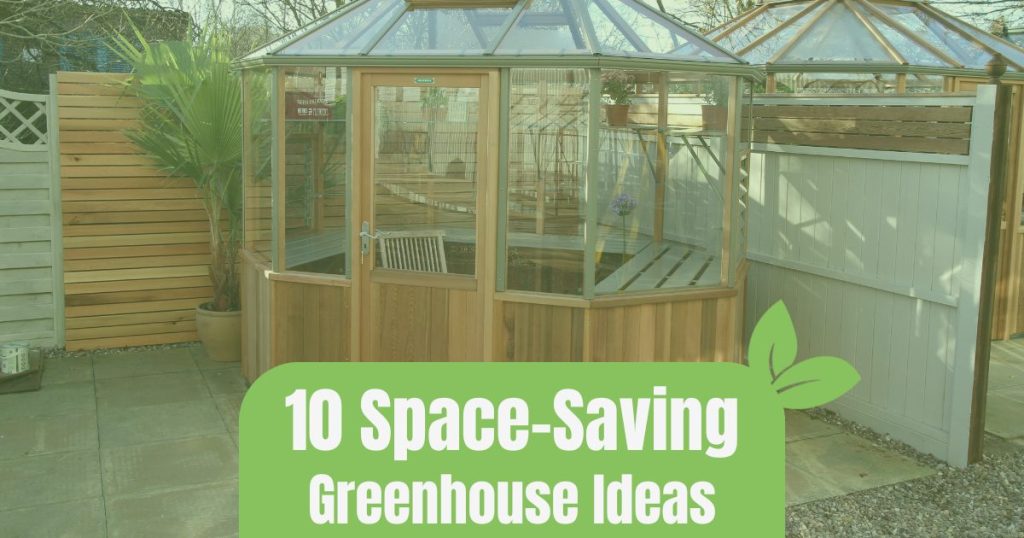
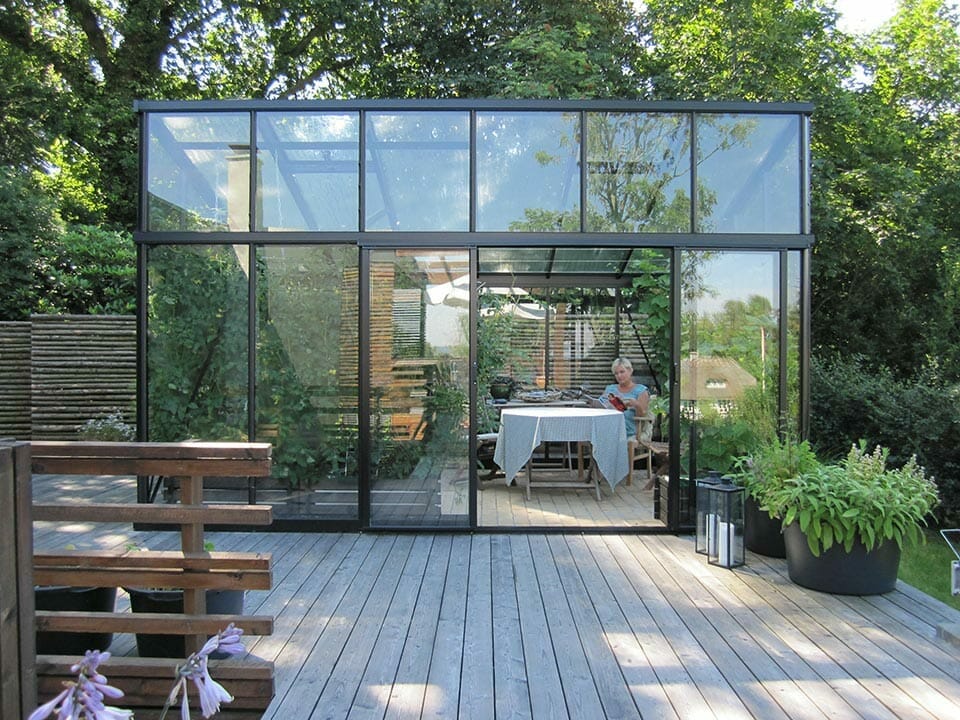
Many greenhouse growers prefer to use glass as the primary covering, whether for aesthetic reasons or practical ones. And although manufactured glass does generally come with a higher price tag, it tends to be more durable, needing fewer replacements in the long run. Additionally, it’s possible to DIY your own glass greenhouse for cheap by sourcing old glass windows and glass doors, though it might require some creative framing if the dimensions are not all the same.
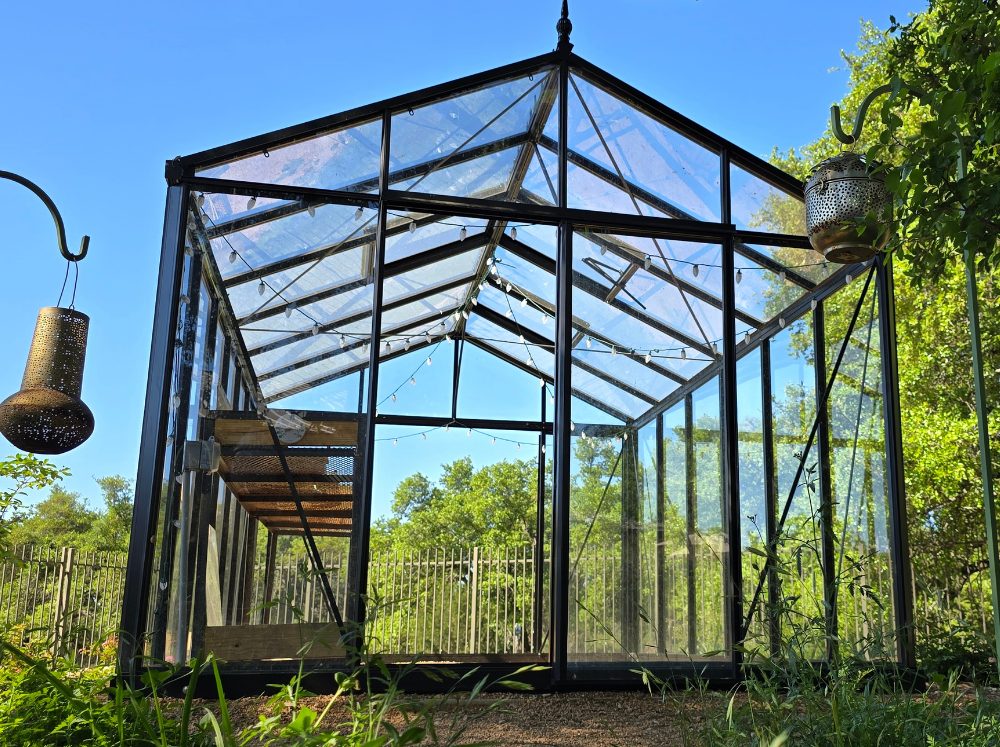
Ultimately, whether you choose glass for your greenhouse covering or another glazing material, it comes down to factors such as your budget, aesthetic preferences, growing needs, and location.
Advantages of greenhouse glass glazing
Glass offers several advantages as a type of greenhouse glazing:
Light transmission
Greenhouses with glass glazing have optimal light transmission. Light wavelengths can pass through the glass into your greenhouse with minimal disruption. This can be an excellent advantage for your greenhouse setup, particularly if you hope to maximize the light your greenhouse receives. We did an experiment to test the light transmission for various types of greenhouse glazing, and our 4mm tempered glass provided the best light transmission, with 89%.
Easy to replace or buy second-hand
If a glass panel breaks, you will likely have no trouble finding a replacement. As one of the classic greenhouse glass coverings, it is easy to source. You can even buy glass panels second hand to save on cost or as a more eco-friendly alternative.
Aesthetically pleasing
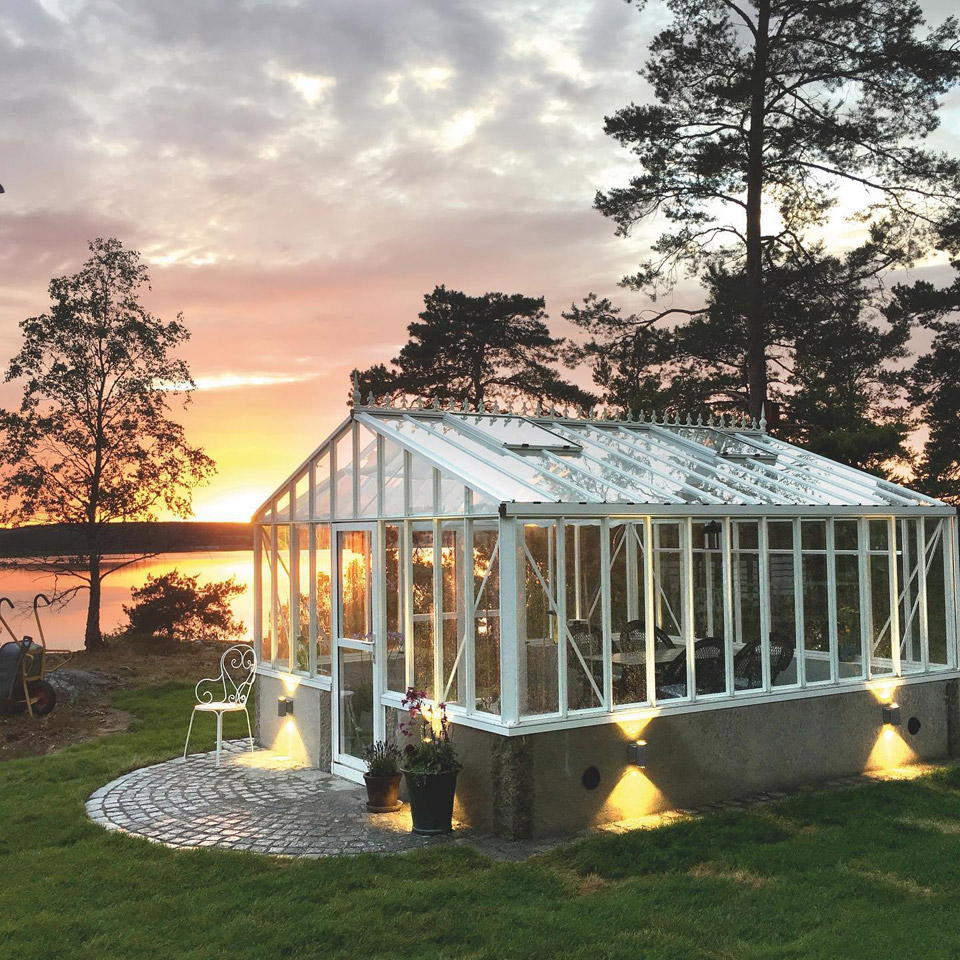
Undoubtedly, greenhouse glass creates some of the most visually stunning greenhouses. The clear view of your beautiful plants makes your greenhouse an attractive addition to your yard or outdoor space. This is especially true if you work with an annealed float or single-pane glass, which provide the clearest view.
Disadvantages of greenhouse glass glazing
Just as there are many advantages to working with greenhouse glass glazing, there are some drawbacks to consider as well:
Light diffusion
Glass glazing offers virtually no light diffusion since it is fully transparent. Light diffusion happens when the light wave breaks apart and scatters across a wider surface area. The result is consistent light in your greenhouse that tends to create fewer shadows. Even though your light is distributed more widely, you will sacrifice some of the intensity from the source since those waves are so scattered.
Some plants that are sensitive to intense or direct sunlight will prefer a more diffuse light source to avoid leaf burning. It best mimics the light that understory plants would receive beneath the forest canopy. If you are growing sensitive plants, you may find that greenhouse glass provides too much direct light.
Hot spots and lack of heat protection
Too much light beaming into one location in your greenhouse can create a concentration of heat and sunlight that is not distributed to the rest of the greenhouse. This can result in uneven plant growth or scorching sensitive plants. On its own, glass also does little to protect your plants from extreme heat conditions, which can cause problems if you live in areas with intense heat and sun exposure. One way to address this, should you still want glass, is by installing a shade cloth.
Heavy and expensive material
Glass can be heavy, which presents logistical building challenges. If you are building your greenhouse yourself, you will immediately notice that it is challenging to install due to its weight and the possibility of having it break if you aren’t careful. On the other hand, having glass panels professionally installed can become expensive.
Wind and snow
While a well-constructed greenhouse with glass panels can hold up during high winds (most can withstand up to 85 mph), the greatest problem is flying debris. Tree limbs and even small stones can strike your glass panels and can cause them to shatter or break. If windy weather is approaching, make sure that you secure any nearby loose items.
Although glass can hold up reasonably against snowfall, too much heavy snow adding weight to the panels (on the roof, for example) might break the panels. You can minimize the risk of wind and snow damage by choosing a thicker, more durable type of glass, especially for load-bearing areas such as the roof.
Requires more maintenance
Glass typically requires more maintenance than other glazing materials, especially if you want it to continue transmitting light to your greenhouse plants. Water stains, dust, dirt, pollen, and other sticky material can attach to the glass, so you should clean your greenhouse glass regularly, or whenever its appearance starts becoming murky.
The best greenhouse glass glazing options
When getting ready to purchase glass glazing for your greenhouse, there are a few different types of glass to consider. Although there are about a dozen types of glass commonly used for windows in buildings, there are only a handful that are suitable for use in greenhouses.
Keep in mind that there isn’t a one-size-fits-all approach to greenhouse design; ultimately, the type of greenhouse glass that is the best option for your project depends on many factors. You may even want to incorporate different kinds of glass to suit specific purposes tailored to your environment. For example, you could choose tempered glass for the load-bearing sections of your greenhouse while using horticultural glass for the rest of the greenhouse to save some money.
Horticultural glass
Horticultural glass is the most affordable glass option for greenhouse glazing, and it is also the easiest to replace. Horticultural glass is typically sold in 3mm thick panels that are around 2′ by 2′, which can be held together with glazing clips.
The biggest benefit of horticultural glass–besides its low cost–is its fantastic light transmission. Natural light passes easily through the glass, meaning your plants will receive more sunlight for photosynthesis. The biggest drawback to horticultural glass is its fragility. When it breaks, you get sharp shards of glass, making building and maintenance challenging. You’re also more likely to find minor blemishes on horticultural glass, though this shouldn’t impact light transmittance or visual appeal at all.
Annealed “float” glass
Annealed glass or “float glass” is what many people think of when they are referring to regular glass or standard glass. Float glass, while not as strong as some others on this list, tends to carry a smaller price tag similar to horticultural glass. You can typically find it in 3 mm thick panels, but it also comes in thicker options if insulation or strength is what you’re looking for. Though not quite as fragile as horticultural glass, float glass will encounter the same problem of breaking into sharp shards, so replacing or building with it can be tricky. For this reason, we would not recommend using annealed glass for load-bearing sections of your greenhouse, such as your roof or the doors.
Tempered or toughened “safety” glass
Toughened glass, also known as safety glass or tempered glass, is float glass that has been treated with extremely high temperatures to make it more durable. After a heat treatment between up to 1200°F (650°C), it is rapidly cooled with jets and cold air. The end result is compressed glass, which is substantially stronger than annealed glass.
Tempered glass is typically up to four times stronger than annealed glass and is often 4mm thick, which incidentally also provides better insulation. Its nickname is “safety glass” because when it breaks, it shatters into small pellets instead of large, sharp shards of glass. It also provides better protection from bad weather, heavy wind, and temperature fluctuations.
Laminated glass
Though much less common, laminated glass is an excellent choice for greenhouse glazing because of its durability. In fact, it’s what your car windshield is made from!
Laminated glass is made with two or more glass sheets glued together with a polymer layer. It’s then heated, pressed, and bonded together for an incredibly resilient pane. Even when struck, the glass fragments will remain bonded to that glue film. This means that rather than breaking apart, your panel will remain intact until you are able to replace it.
Though more expensive than the other options on this list, laminated glass can be a good option for greenhouses that are prone to extreme weather such as hurricanes or tornadoes.
Insulation and thickness
Once you’ve chosen the type of glass, you will want to consider thickness. Thickness can contribute to durability, but it also impacts your insulation. For this, we look at a measurement called the R-value. Typically, a higher R-value means that your glass pane has more resistance and better insulation. The thicker the glass panel, the higher the R-value. The R-value also increases with the number of panes of glass.
First, you will want to determine whether it is single or dual-pane glass and how thick your panels are (typically measured in mm). Most single-pane annealed glass panels are 3mm thick and have a lower R-value of 0.95 to 0.96. Toughened glass is often sold in 4mm thick panels that offer more insulation, and dual-pane toughened glass can have an R-value of just over 2.
Dual pane glass vs single pane glass
Double-pane glass or dual-pane glass has two glass panes within its frame. Between both panes, there’s an air pocket that provides further insulation. Double pane glass is better for insulation because a thicker barrier results in better heat retention in your greenhouse. However, the caveat is that it is slightly less effective with light transmission. Also, dual-pane glass can naturally come with a higher initial cost. However, making this upfront investment might save you in the long-term in heating costs or replacement costs since double-pane glass is more durable than single-pane glass.
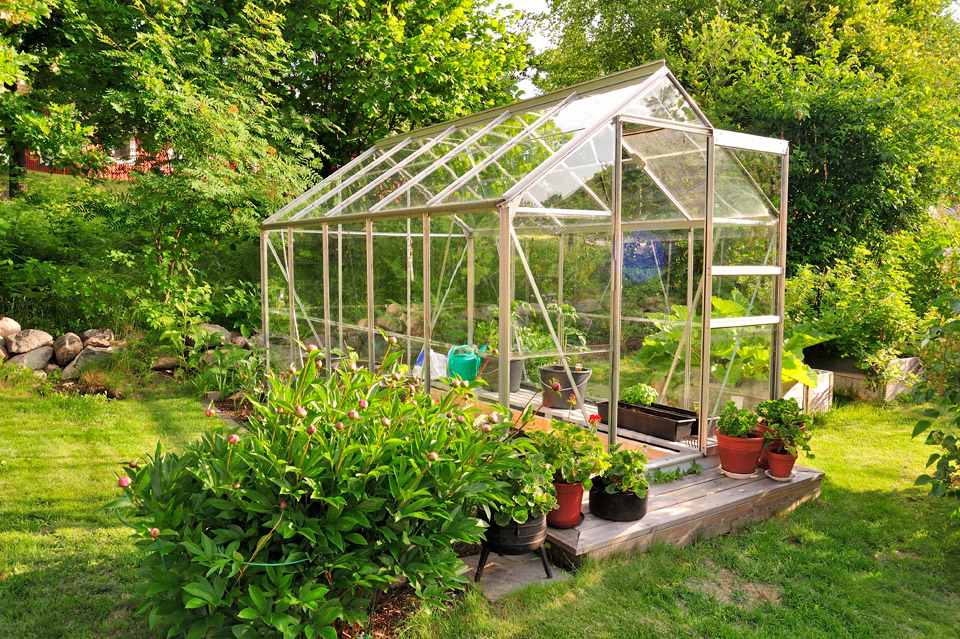
Climate also greatly influences whether single or dual-pane glass is suitable for your greenhouse. For example, single-pane glass is the better choice for hotter climates to avoid overheating your greenhouse. Single-pane glass also provides higher light transmission, as it is a thinner barrier for light waves to cross.
Using old windows for greenhouse glass
Some greenhouse gardeners choose to upcycle vintage windows to construct beautiful greenhouses. Fortunately, glass does not degrade over time, so you can still build a functional greenhouse with old glass panels, as long as they’re not cracked or broken. While this type of project can be done successfully, there are some challenges to consider. Without knowing the different types of glass you are working with, you might end up with inconsistent light transmission and insulation levels.
It’s also important to consider some of the safety concerns with glass and breakage. You want to be careful where you place certain windows, especially single-pane float glass. On the topic of breakage, inspect the glass windows thoroughly for any signs of damage, scratches, or chips that can impact your insulation and your light transmission.
Where to buy greenhouse glass
Though greenhouse glass is easy to source, we recommend using reputable manufacturers, especially if you plan to DIY your greenhouse. Greenhouse glass manufacturers are knowledgeable and will offer support to help you choose the best types of greenhouse glass for your environment, which can be really helpful.
If you are new to greenhouse gardening or overwhelmed by designing a greenhouse from scratch, we recommend looking at greenhouse kits. Greenhouse kits have your greenhouse glass glazing and everything else you need to assemble your ideal greenhouse. What we especially love about greenhouse kits is that they often come with a warranty if any part of the kit malfunctions. As a bonus, greenhouse kits have a lower overall cost and can reduce some of the trial and error of DIYing your greenhouse on your own.